admin
admin 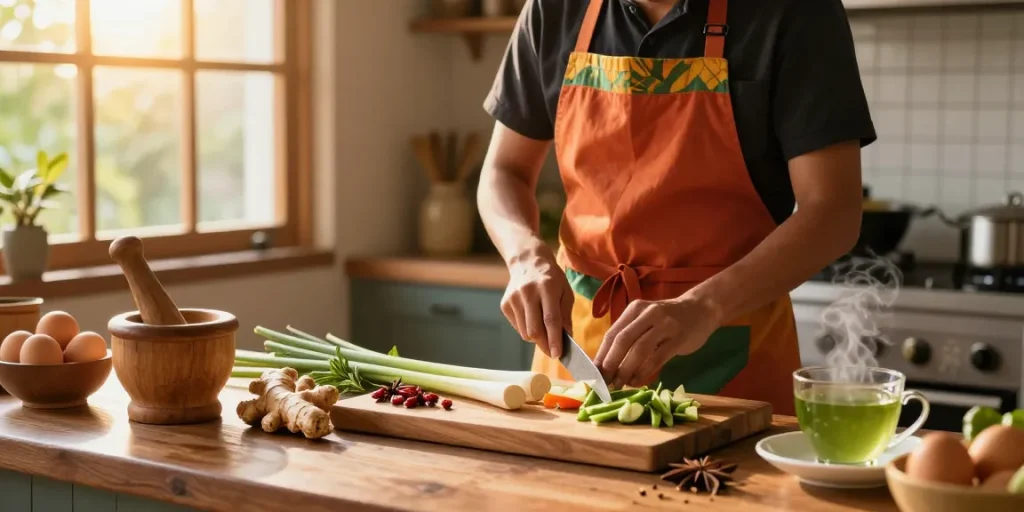
The Importance of Understanding Nutritional Elements in Cooking
Nutrition plays a critical role in the culinary world, influencing health, flavor, and food choices. Understanding the components of food—such as proteins, fats, carbohydrates, vitamins, and minerals—can transform the way we cook and eat. By delving into nutritional science, we not only enhance the taste of our dishes but also improve our overall wellbeing. When exploring options, สล็อต provides comprehensive insights into the nutritional elements that are important in our cooking practices, ensuring that we make informed choices that benefit our health.
What Are Nutritional Elements?
Nutritional elements are the building blocks of our diet, each serving specific functions necessary for our body’s operation. These include:
- Proteins: Essential for growth, repair, and maintenance of body tissues.
- Fats: Provide energy, support cell growth, and protect organs.
- Carbohydrates: The body’s primary energy source, crucial for fueling physical and mental activity.
- Vitamins and Minerals: Micronutrients that support various bodily functions, from immune response to bone health.
By incorporating these elements into our meals, we can create balanced dishes that contribute to our nutritional needs.
The Role of Protein, Fats, and Carbohydrates
Each macronutrient plays a unique and integral role in our diet. Proteins are vital for muscle repair and growth, making them an essential part of any athlete’s meal plan. Fats, often vilified in the past, actually serve many beneficial purposes, including hormone production and nutrient absorption. Carbohydrates, particularly complex ones, provide the sustained energy needed for daily activities. Understanding their functions helps us craft meals that not only satisfy our hunger but also nourish our bodies.
Common Misconceptions About Nutrition in Cooking
Despite the wealth of information available, many misconceptions still prevail regarding nutritional cooking practices. For instance, some people believe all fats are harmful, while in reality, healthy fats like those found in avocados and nuts are essential for good health. Additionally, the myth that carbohydrates should be entirely avoided can lead to energy depletion and inadequate nutrient intake. It’s crucial to differentiate between whole foods and processed ones to make informed dietary choices.
Integrating Herbs and Spices for Enhanced Flavor and Health
Herbs and spices not only elevate the flavor profiles of dishes but also add a plethora of health benefits. For example, ginger is renowned for its anti-inflammatory properties, while lemongrass offers a refreshing taste alongside its antimicrobial effects. By integrating these natural ingredients into our cooking, we can enhance both flavor and nutrition.
Benefits of Using Ginger and Lemongrass
Ginger has been used for centuries in traditional medicine and cooking. It helps with digestion, reduces nausea, and has potent antioxidant properties. Lemongrass, with its distinct citrusy aroma, serves as an excellent source of vitamins A and C, promoting healthy skin and immunity. Incorporating these herbs into various dishes can significantly enhance their nutritional value.
How to Properly Use Herbs in Your Dishes
To maximize the benefits of herbs, it’s important to understand how to use them effectively in cooking. Fresh herbs should typically be added at the end of cooking to preserve their flavor and nutrients, while dried herbs can be added earlier to allow their flavors to infuse. Additionally, pairing herbs with the right foods enhances their flavor, such as using basil with tomatoes or parsley with fish.
Best Practices for Storing Fresh Herbs
Proper storage of fresh herbs is essential for maintaining their flavor and nutrient content. They should be washed and dried thoroughly before storage. Keeping herbs in a damp paper towel inside a sealed container in the refrigerator can prolong their freshness. Alternatively, herbs can be frozen in ice cube trays filled with water or oil for longer-term storage.
Cooking Techniques That Maximize Nutritional Value
The techniques used in the kitchen can significantly impact the nutritional quality of food. Employing healthier cooking methods can preserve essential nutrients and enhance flavor.
Steam vs. Fry: Healthier Cooking Methods
Steaming is one of the best methods for cooking vegetables, as it retains more vitamins compared to boiling or frying. Frying, especially deep frying, introduces unhealthy fats and can lead to nutrient loss. Opting for methods like baking, grilling, or steaming can elevate the health benefits of meals while maintaining great taste.
How to Preserve Nutrients While Cooking
To preserve nutrients, it’s vital to avoid overcooking food and to use minimal water when cooking vegetables. Cooking times should be monitored closely, especially for delicate ingredients. Quick cooking methods like stir-frying can help maintain the vibrant colors and nutritional content of vegetables while also enhancing their taste.
Using Whole Ingredients vs. Processed Foods
Whole ingredients provide greater nutritional values compared to their processed counterparts. For example, whole grains like brown rice offer more fiber and nutrients than white rice. Choosing unprocessed foods whenever possible is a key factor in promoting better health and wellness.
Common Mistakes When Using Essential Ingredients
Even the most experienced cooks can make errors that negatively impact the nutritional value of their meals. Identifying these pitfalls can help improve cooking practices.
Overcooking: The Nutritional Impact
Overcooking food can result in significant nutrient loss, particularly in vegetables. Water-soluble vitamins such as vitamin C and many B vitamins are especially sensitive to heat and water. Learning to cook vegetables just until tender can help maintain their nutritional quality.
Underestimating Ingredient Quality
Ingredient quality directly affects the taste and health benefits of meals. Using fresh, organic produce can enhance both flavor and nutritional content, whereas stale or low-quality ingredients may compromise the dish. Prioritizing quality ensures meals are as wholesome as possible.
Ignoring Seasonality in Ingredient Selection
Choosing seasonal ingredients not only supports local farmers but also guarantees the freshest products. Seasonal produce tends to be more flavorful and nutrient-dense. Understanding what’s in season can help guide grocery shopping and meal planning effectively.
Looking Ahead: Future Trends in Healthy Eating for 2026
The world of nutrition is continuously evolving, and being aware of emerging trends can guide millennials and health-conscious individuals toward better eating habits.
Emerging Superfoods to Incorporate
In 2026, we anticipate the rise of new superfoods like adaptogenic mushrooms and seaweed. These nutrient-dense options offer various health benefits, from improving mental clarity to boosting immune function.
Innovative Cooking Technologies
Advancements in cooking technology, such as air fryers and sous-vide techniques, allow for healthier food preparation while retaining more nutrients. These innovations can make meal preparation faster and more efficient while enhancing flavor profiles.
The Rise of Personalized Nutrition Solutions
With the growth of technology, personalized nutrition plans based on individual dietary needs and genetic profiles are becoming more accessible. This shift towards tailored nutrition can offer more effective ways to achieve health goals.
What are the Health Benefits of Eating Traditional Thai Foods?
Traditional Thai foods are rich in herbs, spices, and vegetables, promoting health and wellness. Dishes such as Tom Yum and Pad Thai incorporate fresh ingredients that support digestion and immune function.
How Can Cooking at Home Affect Your Health?
Cooking at home allows for greater control over ingredients, portions, and cooking methods. This practice can lead to healthier eating habits, expense reduction, and improved dietary knowledge.
What Are the Best Practices for Meal Prep?
Effective meal prepping involves planning meals in advance, which can save time and promote healthy eating. Techniques such as batch cooking and portion control can aid in maintaining balanced diets throughout the week.
How Can I Make Cooking More Enjoyable?
To elevate the cooking experience, try exploring new recipes, using diverse ingredients, and involving friends or family in the cooking process. This not only adds fun but also enhances culinary skills.
Why Are Fresh Ingredients Preferable to Processed Options?
Fresh ingredients typically offer higher nutritional value and fewer additives compared to processed foods. Prioritizing fresh fruits, vegetables, and whole grains can lead to better overall health outcomes.
What Are the Long-Term Benefits of Healthy Eating?
Long-term healthy eating contributes to overall wellbeing, reducing the risk of chronic diseases, and promoting a healthier lifestyle. Education about nutrition can empower individuals to make informed choices that positively affect their health now and in the future.