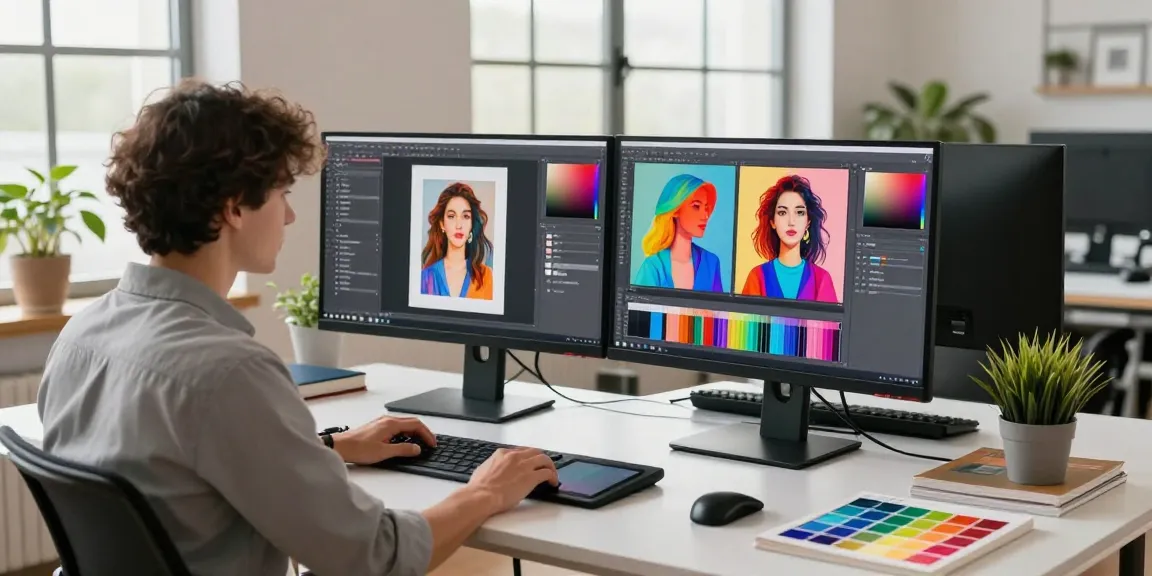

Understanding AI Image Detection Technology
As artificial intelligence continues to revolutionize various aspects of technology, one of the most intriguing applications is in image detection. AI Image Detection refers to the capability of artificial intelligence systems to analyze the characteristics of images to determine whether they are generated by a machine or captured by a human. This technology is particularly important in an age where digital visuals play a crucial role in content creation, marketing, and social media. An effective free ai detector can provide valuable insights, helping users navigate the complexities of image authenticity in real time.
What is AI Image Detection?
AI image detection involves using algorithms and machine learning techniques to analyze, classify, and interpret images. The core objective of this technology is to discern the origin of an image and assess its authenticity. With the advent of generative models that create hyper-realistic images, the ability to detect AI-generated content has become increasingly crucial for industries relying on visual authenticity, such as advertising, journalism, and art.
How Does the AI Image Detector Work?
At its core, an AI image detector operates by utilizing deep learning algorithms trained on vast datasets of both real and AI-generated images. These systems analyze various features, including texture, patterns, and metadata, to evaluate the likelihood of an image being machine-generated. The results typically include a probability score indicating the confidence level of the detection. This information is invaluable for users who need quick assessments of image authenticity.
Key Components of Effective Image Analysis
- Pattern Recognition: AI detectors examine the features of images to distinguish between human-made and AI-generated content.
- Metadata Scrutiny: Extracting and analyzing metadata provides insights into image origin and alterations.
- Machine Learning Models: Advanced AI models continuously learn from new images, improving detection accuracy over time.
- Confidence Scores: These scores help users understand the likelihood of an image being AI-generated, facilitating informed decisions.
Benefits of Using a Free AI Detector
Utilizing a free AI detector offers several advantages for both individual users and businesses alike. These detectors not only save money but also contribute to transparency within various sectors that rely on visual content.
Cost-Effective Solutions for Users
For those engaged in content creation or digital marketing, leveraging a free AI image detector can significantly reduce costs associated with quality assurance. Instead of investing in expensive verification tools, users can analyze their images without any financial commitment, enabling them to focus on creating compelling content.
Fostering Transparency and Trust
By utilizing AI detection tools, companies can provide transparency to their audiences about the authenticity of their images. This fosters trust, particularly in fields like journalism and advertising, where consumers demand honesty regarding the visual content presented to them.
Instant Results for Quick Decision Making
With the ability to provide results in real time, free AI detectors empower users to make swift decisions regarding their images. Whether they are assessing the integrity of promotional materials or verifying user submissions, the ability to instantly determine image authenticity greatly enhances operational efficiency.
How to Use the Free AI Image Detector
Understanding how to effectively use a free AI image detector can enhance your experience and yield more accurate results. Here’s a straightforward guide on how to get started.
Step-by-Step Guide to Uploading Images
- Visit the AI image detector website.
- Select the option to upload your image by dragging and dropping or browsing through your files.
- Choose an image file in one of the supported formats.
- Hit the ‘Analyze’ button to initiate the detection process.
Supported Image Formats for Maximum Compatibility
The free AI image detector supports various popular image formats, ensuring wide accessibility for users. Commonly accepted formats include:
- JPEG (JPG)
- Portable Network Graphics (PNG)
- WebP
- Graphics Interchange Format (GIF)
Interpreting Results: Understanding Probability Scores
After uploading an image, users receive a detailed report containing a probability score that indicates the likelihood of the image being AI-generated. A higher score suggests a stronger probability of AI generation, while a lower score indicates more authenticity. Users can rely on these scores to make informed decisions about their images.
Common Challenges and Misconceptions
While AI image detectors are powerful tools, there are several challenges and misconceptions surrounding their use that users should be aware of.
Accuracy of Free AI Detectors
Accuracy is often a common concern when it comes to free AI detectors. While these tools can provide useful insights, users should note that no system is flawless. The quality of detection may vary based on the complexity of the image and the sophistication of the machine learning model employed by the detector.
Limits on Usage: More Than 10 Checks per Hour?
Many free AI detectors impose limits on the number of checks that can be performed within a specified timeframe. Users may find themselves restricted to a maximum of 10 checks per hour to prevent abuse and maintain service quality. Understanding these limits is essential for planning your usage effectively.
API Access and Integration for Advanced Users
For those who require more advanced functionality, some providers offer API access. This allows developers to integrate AI image detection capabilities into their applications, streamlining workflows and enhancing analytical capabilities.
Future Trends in AI Image Detection (2026 and Beyond)
As technology continues to evolve, the landscape of AI image detection is also set to change. Here are some trends to look out for.
Emerging Technologies in Image Analysis
Future advancements in AI image detection will likely include improved algorithms that enhance accuracy and reduce false positives. Furthermore, the incorporation of multi-modal analysis—where images are evaluated alongside text—could provide even deeper insights into the content's authenticity.
Legal Implications of AI Detection Tools
The rise of AI-generated content raises numerous legal issues, including copyright concerns and the implications of digital deception. As regulations evolve, the scope of use for AI detection tools will likely expand, necessitating compliance and ethical considerations from users.
Best Practices for Users and Developers
Users and developers alike should stay informed about emerging best practices in AI image detection. This includes understanding the limitations of AI tools, being transparent about their use, and continually seeking to enhance the accuracy and effectiveness of detection methods.