
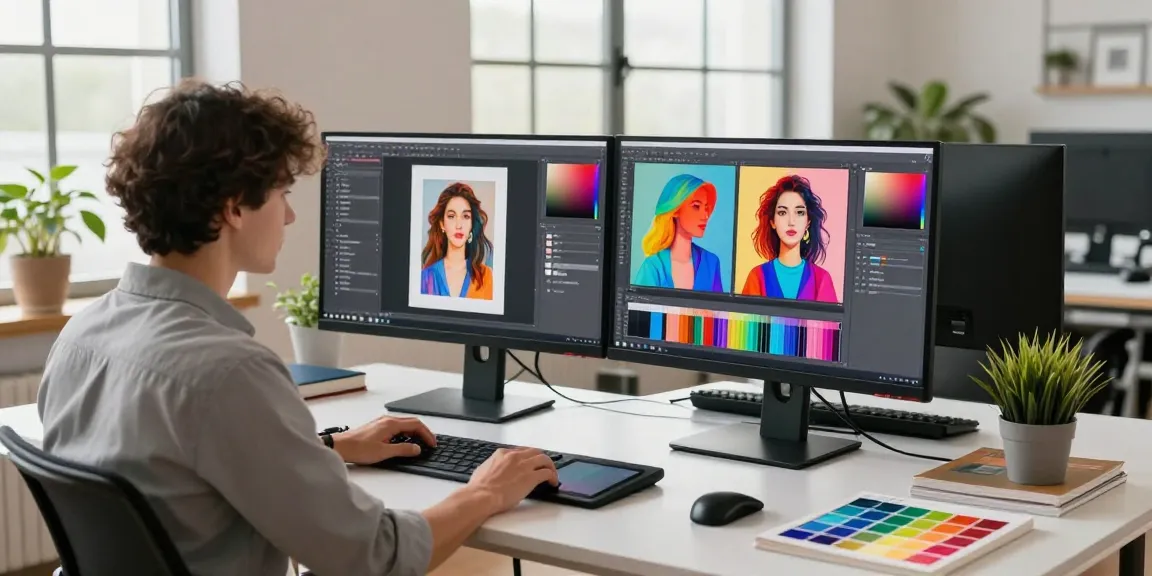
Understanding the Image to Image Process
In an ever-evolving digital landscape, the image to image transformation process has emerged as a pivotal technique for artists, designers, and marketers alike. This process enables the seamless conversion of one image into another, allowing for creative enhancements, alterations, and various applications across industries. With advancements in technology, understanding this process can unlock significant potential for innovation and efficiency in visual arts and communications.
What is Image to Image Transformation?
Image to image transformation refers to the process where an image is modified or converted into a new image while retaining various features from the original. This technique can be employed in numerous ways, ranging from simple edits to complex alterations involving machine learning algorithms, such as Generative Adversarial Networks (GANs). It enables users to create stylized versions of photos, change image attributes, or even generate entirely new visuals based on existing data.
Benefits of Image to Image Techniques
- Enhanced Creativity: Artists can explore new creative avenues, utilizing transformed visuals to inspire new designs.
- Time Efficiency: Streamlines the creative process by allowing quick modifications instead of starting from scratch.
- Cost-Effectiveness: Reduces the need for expensive resources when producing new images.
- Better Engagement: Unique visuals can increase audience engagement through eye-catching designs.
Common Software Tools for Image to Image
Several software tools facilitate the image to image process, catering to different expertise levels and purposes. Popular examples include:
- Adobe Photoshop: A versatile tool that allows extensive image manipulation and transformation features.
- GIMP: An open-source alternative that offers powerful image editing capabilities.
- DeepArt: Utilizes AI to turn images into artworks based on various artistic styles.
- Runway ML: An innovative platform that harnesses machine learning for creative projects, including image transformations.
Key Techniques and Best Practices
Steps for Effective Image to Image Conversion
To achieve the best results in image to image conversion, follow these critical steps:
- Define Goals: Clearly outline what you want to achieve with the transformation.
- Select the Right Tool: Choose software that aligns with your skill level and the complexity of the task.
- Choose Quality Images: Use high-resolution images for better fidelity in transformation.
- Experiment with Techniques: Don’t hesitate to try various methods to find the most suitable approach.
- Review and Refine: Continuously evaluate your work and make necessary adjustments to achieve the desired outcome.
Combining Traditional and Digital Methods
The fusion of traditional art techniques and digital methods can elevate the image to image transformation process. For instance, many artists begin with hand-drawn sketches that they then digitize and enhance using software tools. This combination allows for a unique blend of texture and detail that purely digital methods may lack, fostering a more personal touch to the art.
Common Mistakes to Avoid
While engaging in image to image processes, avoiding certain pitfalls can enhance your success:
- Neglecting Image Quality: Always start with high-quality images to ensure the transformation remains clear and effective.
- Overusing Filters: While filters can enhance images, excessive use can lead to unnatural results.
- Lack of Planning: Without a clear vision, the transformation can become chaotic and unfocused.
- Ignoring Feedback: Always seek feedback from peers to gain fresh perspectives on your work.
Applications in Various Industries
Image to Image in Graphic Design
In graphic design, the image to image transformation process is integral for creating vibrant marketing materials, engaging social media content, and unique branding elements. Designers leverage this technique to quickly generate visuals that align with current trends or specific campaign needs, making it a crucial skill in the dynamic field of design.
Impact on Marketing and Branding
Marketers utilize image to image techniques to create tailored visuals that resonate with their target audience. Custom graphics not only boost engagement but also reinforce brand identity, which is essential for standing out in crowded markets. Unique, visually appealing imagery can lead to increased conversions and customer loyalty.
Innovative Uses in Entertainment and Gaming
The entertainment and gaming industries are at the forefront of employing image to image transformations. Game developers use these techniques to create immersive environments and characters, enhancing the player experience. Similarly, filmmakers and animators rely on transformative processes to produce visually stunning effects that captivate audiences.
Future Trends in Image to Image Technology
Emerging Technologies Enhancing Transformations
The future of image to image technology is bright, with emerging technologies such as AI and augmented reality poised to revolutionize how we create and interact with visuals. AI-powered tools are becoming increasingly sophisticated, enabling users to integrate advanced filters and transformations that were previously unattainable.
Predictions for 2026 and Beyond
As we look towards 2026, it is predicted that the demand for personalized and interactive visual content will surge. Businesses will increasingly rely on image to image methods to create customized experiences for their customers, leveraging the technology to foster deeper connections and engagement with their brand.
How AI is Shaping Image to Image Applications
AI is rapidly transforming the image to image landscape by enabling more intuitive creative processes. Machine learning algorithms can now analyze vast quantities of images, learning patterns that allow for dynamic alterations based on user input. These advancements ensure that creative professionals can push their limits and explore new dimensions in visual storytelling.
Real-World Case Studies and Examples
Successful Projects Utilizing Image to Image
Companies across various industries have successfully harnessed image to image transformation for impactful campaigns. For instance, a popular fashion brand utilized this technique to create a series of dynamic ads that showcased their new collection by transforming everyday outfits into high-fashion looks, resulting in a significant increase in user engagement and sales.
Lessons Learned from Industry Leaders
Industry leaders stress the importance of integration when employing image to image techniques. For example, a renowned graphic design firm revealed that combining client feedback with iterative transformations led to sharper visuals and more satisfied clients. This highlights the necessity of collaboration in achieving the best outcomes.
Practical Guidance for Aspiring Designers
Aspiring designers are encouraged to embrace experimentation when working with image to image transformations. Keeping a portfolio of varied styles and methods can showcase versatility and attract potential clients. Furthermore, staying updated with emerging trends will ensure that their work remains relevant in a fast-paced industry.
What are the main benefits of image to image conversion?
The primary benefits of image to image conversion include enhanced creativity, time and cost efficiency, and better engagement through unique visual content.
Which software is best suited for image to image projects?
Popular software for image to image projects includes Adobe Photoshop, GIMP, DeepArt, and Runway ML, each offering different features catered to various skill levels.
How can I avoid common pitfalls in image to image processes?
To avoid common pitfalls, ensure high image quality, use filters sparingly, plan transformations carefully, and seek constructive feedback during the process.
What future trends should I be aware of in image to image tech?
Stay informed about AI advancements, the push for personalized content, and the integration of augmented reality in image to image applications as they are set to dominate the industry landscape.
Can you provide examples of successful image to image applications?
Examples include fashion brands creating dynamic advertisements through image transformations and graphic design firms utilizing client feedback for sharper visuals, showing the versatility and impact of these techniques across various sectors.