admin
admin 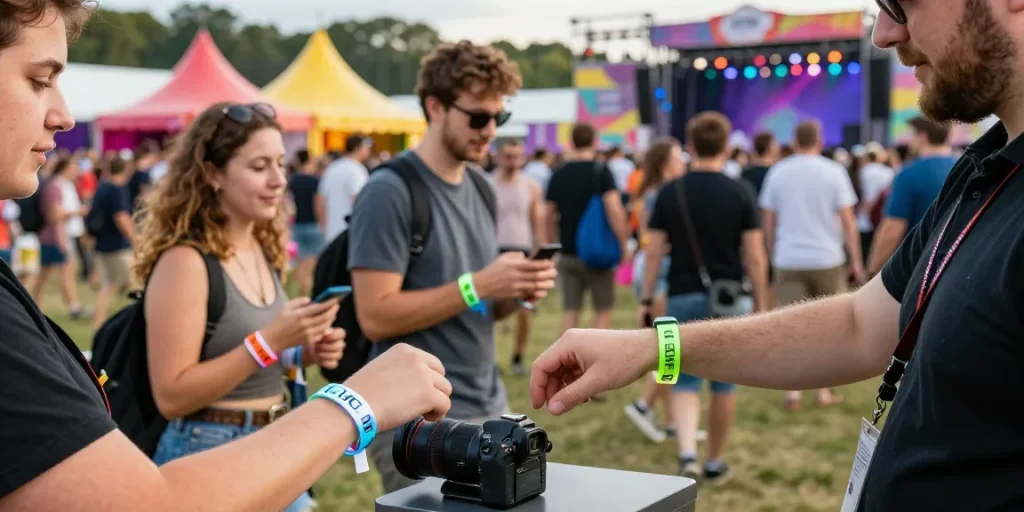
Understanding Digital Wristbands for Events
In the ever-evolving landscape of event management, digital wristbands have emerged as a transformative tool for organizers. These high-tech devices are more than just stylish accessories; they streamline access control, enhance attendee experiences, and enable real-time data collection. Whether you’re managing a festival, concert, or corporate event, integrating pulseras digitales para eventos into your planning can elevate your event to unprecedented levels of efficiency and engagement.
What are Digital Wristbands?
Digital wristbands, often equipped with NFC (Near Field Communication) technology, serve as multifunctional tools that facilitate a variety of functions at events. These wristbands can be used for access control, cashless transactions, and attendee tracking, making them an essential component of modern event management. Typically made from silicone or cloth, they are comfortable to wear for extended periods and designed to withstand various environmental conditions.
Benefits of Using Digital Wristbands
- Streamlined Access Control: Digital wristbands enable quick and hassle-free entry to events, reducing wait times significantly.
- Enhanced Security: With unique identifiers, they provide a secure method of tracking attendees and preventing unauthorized access.
- Real-Time Analytics: Organizers can monitor attendance and crowd density in real-time, allowing for rapid adjustments during the event.
- Cashless Transactions: By facilitating payments via the wristbands, you can increase revenue for vendors and minimize cash handling.
Common Misconceptions about Digital Wristbands
Despite their benefits, there are several misconceptions surrounding digital wristbands. One prevalent myth is that they are too expensive for smaller events. In reality, the cost savings achieved through reduced manpower, quicker entry, and increased vendor sales often outweigh the initial investment. Another misconception is that attendees may be resistant to using them; however, most guests appreciate the convenience and speed that digital wristbands offer.
Implementing NFC Technology
How NFC Works in Event Management
NFC technology operates through radio waves, allowing devices in close proximity to communicate and exchange data. In the context of event management, this means that when an attendee waves their wristband near an NFC reader, their unique ID is scanned, triggering access or payment processes without the need for physical contact. This not only speeds up entry points but also keeps track of real-time data for better operational decisions.
Choosing the Right NFC Wristbands
When selecting RFID wristbands, consider factors such as durability, design, and compatibility with your existing systems. Depending on your event, you may opt for wristbands that are waterproof, UV resistant, or even customizable in terms of branding. Ensure that the wristbands you choose can efficiently handle the expected volume of attendees while supporting the necessary data features.
Integration with Existing Systems
A seamless integration process is critical for the successful implementation of digital wristbands. If your event utilizes existing ticketing or payment systems, select wristbands that easily link with those platforms. This will not only simplify the transition for your staff but also enhance the attendee experience by creating a cohesive technological ecosystem.
Real-Time Attendance Monitoring
Benefits of Real-Time Data Tracking
Real-time monitoring allows event organizers to gain valuable insights into attendee flow and density. This data aids in optimizing crowd management strategies, ensuring safety while enhancing guest experiences. By using real-time data, you can quickly identify congested areas and redistribute resources accordingly, maintaining a seamless flow throughout the event.
Tools for Monitoring Crowd Density
Many digital wristband solutions come equipped with analytics tools that track attendee movements. By integrating this data with cloud-based platforms, event organizers can access dashboards that display crowd density across different zones. This level of insight enables proactive decision-making to improve guest safety and satisfaction.
Case Studies of Successful Implementations
Numerous events have embraced this technology with impressive results. For instance, SoundWave Festival successfully managed 40,000 attendees without major delays at entry points. By utilizing NFC wristbands, they facilitated smooth access and enhanced overall festival logistics. Similarly, TechCon Global reported that their operational efficiency improved significantly, with data exports available just seconds after the event concluded. These case studies highlight the practical benefits of adopting digital wristbands in large-scale events.
Cashless Payment Solutions
Benefits of Cashless Transactions
Cashless payment systems have revolutionized the way transactions occur at events. Digital wristbands allow attendees to link their payment methods to the wristband prior to or upon arrival, which means no more long lines at cash registers. This system not only saves time but also enhances satisfaction and potentially increases vendor sales by up to 30% due to faster transaction speeds.
Setting Up Cashless Systems with Wristbands
To implement a cashless system, organizers should work closely with payment processors to ensure that the technology is secure and user-friendly. Attendees can pre-load funds onto their wristbands, allowing them to make purchases effortlessly during the event. Providing clear instructions and support will help ease the transition for guests and vendors alike.
Enhancing Guest Experience through Payments
With digital wristbands, the entire purchasing process becomes seamless. Attendees enjoy the ease of making transactions without fumbling for cash or cards. Additionally, the instant feedback provided by digital payment systems helps organizers gauge attendee behaviors and preferences, allowing for better service at future events.
Preparing for Future Trends in Event Technology
Emerging Technologies for 2026 and Beyond
As we look to the future, emerging technologies such as augmented reality (AR) and artificial intelligence (AI) are poised to enhance the functionality of digital wristbands further. Integrating AR features could provide attendees with personalized experiences, while AI can automate processes and analyze large sets of data for improved decision-making.
How to Stay Ahead in Event Management
To remain competitive in the fast-paced event industry, organizers must continually adapt to technological advancements. Regularly updating your event technology stack and staying informed about industry trends will ensure that your events evolve with attendee expectations and technological innovations.
Expert Insights and Predictions
Industry experts predict that the use of digital wristbands will become even more prevalent, particularly as organizations seek to enhance security and user experience. As more events transition to cashless and contactless solutions, the reliance on wristbands will only grow, emphasizing the need for robust, reliable technology.
What are the advantages of using digital wristbands in events?
Utilizing digital wristbands provides benefits such as improved access control, enhanced attendee experience, and valuable data collection capabilities. They eliminate the need for physical tickets, thus streamlining entry, reducing fraud, and allowing for a cashless environment.
How do NFC wristbands enhance guest experiences?
NFC wristbands simplify interactions at events by allowing for quick access and seamless transactions. Attendees can enjoy a frictionless experience without the burden of cash handling, leading to higher satisfaction levels.
Can digital wristbands be used for cashless payments?
Yes! Digital wristbands are designed to facilitate cashless payments, enabling users to preload funds and make real-time transactions during events without physical currency.
What metrics should be monitored during events?
Key metrics include attendance numbers, crowd density, transaction volumes, and guest satisfaction levels. These indicators guide future improvements and highlight areas needing attention during the event.
How will event technology evolve in the coming years?
The evolution of event technology will likely include greater integration of AI, enhanced analytics, and improved user interfaces for digital wristbands, leading to experiences that are more personalized and responsive to attendee needs.