admin
admin 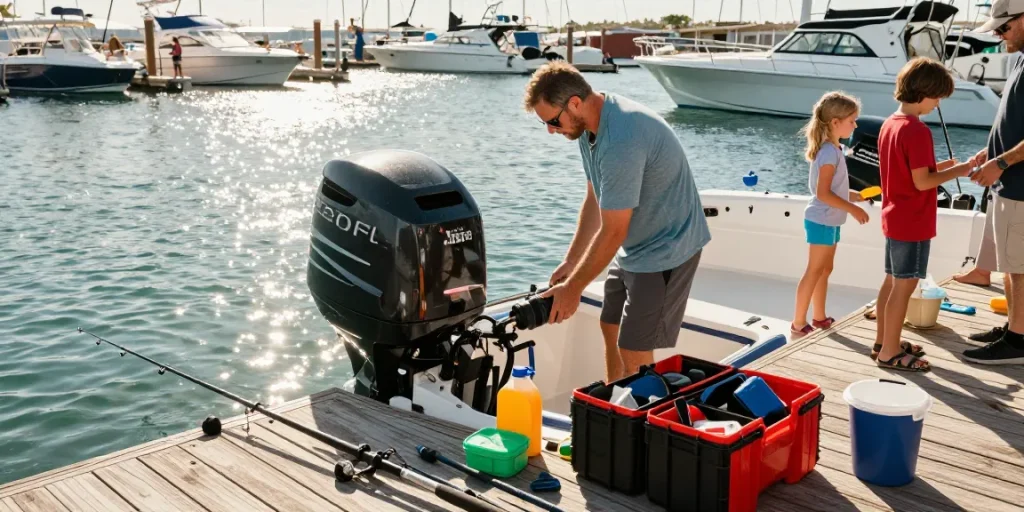
Understanding Outboard Motor Fuel Consumption
Outboard motors are a popular choice for boating enthusiasts due to their versatility, power, and ease of use. However, one critical aspect that many boat owners must grapple with is outboard motor fuel consumption. Understanding how various factors influence fuel efficiency can lead to more informed decisions when it comes to selecting and using these engines. This article delves into the intricacies of fuel consumption in outboard motors, providing insights that are increasingly relevant as boating technology evolves toward sustainability in 2026.
What Affects Outboard Motor Fuel Efficiency?
Several factors contribute to the fuel efficiency of outboard motors. Key determinants include the engine size, the design of the motor, and the operational environment. Larger engines typically consume more fuel than smaller ones, but they may be necessary for heavier boats or rough waters. The type of fuel also plays a role, as different fuels have varying energy densities. Additionally, environmental conditions such as wind and water current can impact overall performance and consumption rates.
Comparative Analysis of Fuel Consumption Rates
Fuel consumption can differ significantly between various models of outboard motors. High-performance models may offer cutting-edge technology that optimizes fuel usage, while older models might lag behind. For instance, a direct comparison of two outboard motors of similar horsepower shows that the one equipped with fuel-injection technology consumes up to 30% less fuel at cruising speeds compared to its carbureted counterpart.
Environmental Impacts of Fuel Consumption
The environmental implications of fuel consumption in outboard motors cannot be understated. With growing awareness of climate change, the boating community is increasingly focused on reducing carbon footprints. Outboard engines that operate on fossil fuels contribute to greenhouse gas emissions and fuel spills. In contrast, electric options present a cleaner alternative while still providing adequate power for recreational boating.
Factors Influencing Fuel Efficiency in Outboard Motors
Engine Size and Model Variability
Choosing the right engine size is pivotal to ensuring optimal fuel consumption. Larger engines tend to have higher fuel consumption, especially if not required for the kind of boating activities planned. Manufacturers are continually working to improve the efficiency of various engine sizes; for example, advances in lightweight materials and construction techniques have led to engines that offer superior performance with lower fuel demands.
Operational Habits: Speed and Load
The way in which a vessel is operated has a direct impact on fuel efficiency. Maintaining a steady, moderate cruising speed generally results in lower fuel consumption. Similarly, a fully loaded boat will require more fuel than one that is lightly loaded. Boaters should also be cautious about making sudden starts or stops, as these actions can significantly increase fuel consumption.
Maintenance: Keeping Your Motor Efficient
Regular maintenance is vital for maintaining the efficiency of an outboard motor. This includes routine checks and repairs, such as cleaning or replacing spark plugs, inspecting fuel filters, and ensuring that propellers are in optimal condition. Just as a well-maintained car performs better and consumes less fuel, the same principle applies to outboard motors.
Best Practices to Optimize Outboard Motor Fuel Consumption
Techniques for Reducing Fuel Usage
There are several techniques boaters can employ to reduce fuel usage. One effective method involves calibrating the throttle carefully to maintain optimal RPMs. Keeping your engine within its most efficient RPM range can lead to significant fuel savings. Additionally, reducing the speed when possible and trimming the motor correctly can help find that sweet spot for fuel efficiency.
How to Choose the Right Fuel Type
Choosing the right fuel is another crucial element in optimizing fuel consumption. Generally, higher-octane fuels are associated with better performance, but this doesn’t always equate to lower consumption. Consult with your manufacturer to understand the ideal fuel type that maximizes efficiency for your specific engine model.
Seasonal and Environmental Adjustments
As boating conditions change with the seasons, so too can fuel consumption patterns. For instance, warmer water temperatures often reduce resistance and can enhance fuel efficiency. Be mindful of these environmental factors and adjust your practices accordingly to capitalize on seasonal advantages.
Alternatives to Traditional Outboard Motors
Comparing Electric vs. Gas-Powered Options
As the boating industry evolves, many boaters are considering electric outboard motors as an alternative to traditional gas-powered options. Electric motors tend to provide instantaneous torque and a quieter operation, not to mention the significantly lower environmental impact. However, they may not yet match gas-powered motors in terms of range and performance for larger vessels.
The Future of Sustainable Boating Technologies
The evolution of sustainable boating technologies is well underway. Innovations such as hybrid engines, solar-powered systems, and advanced fuel technologies are emerging. These methods can offer a long-term solution to reduce reliance on fossil fuels while maintaining the power and efficiency necessary for recreational boating.
Cost-Benefit Analysis for Boat Owners
When evaluating whether to switch from gas to electric or hybrid motors, a comprehensive cost-benefit analysis is essential. While the upfront cost of electric motors may be higher, the long-term savings on fuel and maintenance can prove beneficial. Additionally, considering the potential for grants or incentives for environmentally friendly applications could further tilt the scales in favor of electric options.
Looking Ahead: Trends in Outboard Motor Technology by 2026
Emerging Fuel Technologies and Innovations
The future of outboard motors is likely to be defined by technological advancements as manufacturers strive to increase efficiency. Innovations such as direct fuel injection, turbocharging, and energy-efficient combustion systems promise to enhance performance while minimizing fuel consumption. Expect to see these technologies becoming standard features in new engines by 2026.
Regulatory Changes Impacting Fuel Consumption
Regulatory measures regarding emissions and fuel standards are continuously evolving. As governments worldwide seek to mitigate climate change impacts, new regulations may dictate the types of fuels and technologies permissible for use in marine environments. Staying informed about these changes will be crucial for boat owners looking to maintain compliance while optimizing fuel consumption.
Future-Proofing Your Boat for Fuel Efficiency
To future-proof your boat against upcoming regulatory and technological changes, consider investing in adaptable systems. Technologies that allow for simple retrofitting or upgrades can keep your vessel competitive and efficient as fuel standards change. Collaboration with manufacturers concerning planned upgrades will also ensure you are ahead of the curve.
What Are the Most Efficient Outboard Motors in 2026?
As of 2026, the most efficient outboard motors will likely feature advanced fuel-saving technologies, including variable valve timing and enhanced electronic management systems. Brands known for leading the charge in fuel efficiency are expected to maintain their positions in the market, with continuous research and development focusing on reducing emissions and improving economy.
How Can I Calculate My Outboard Motor’s Fuel Consumption?
Calculating your outboard motor’s fuel consumption is relatively straightforward. Using the formula: Fuel Consumption (gallons per hour) = Total Fuel Used ÷ Total Running Time (hours), you can easily determine how much fuel your engine consumes under various conditions. This information will help inform future operational decisions, contributing to cost savings and efficiency.
What Is the Environmental Impact of Outboard Motor Fuel Consumption?
Outboard motor fuel consumption contributes significantly to environmental pollution. The emissions from gas-powered engines include carbon monoxide, hydrocarbons, and nitrogen oxides, which contribute to air and water pollution. As the industry moves towards sustainability, it’s vital for boaters to consider the ecological impacts of their fuel consumption habits.
Can Electric Motors Compete with Gas Outboards in Performance?
Electric motors are making substantial strides in performance and efficiency; however, they still face challenges compared to gas outboards. Though they offer rapid acceleration and lower maintenance costs, many electric models currently have limitations in terms of range and power output for heavier boats. Future advancements may bridge this gap, making them a more formidable competitor.
What Maintenance Tips Enhance Fuel Efficiency for Outboard Motors?
To enhance fuel efficiency, regular checks and maintenance are essential. This includes cleaning the fuel system, checking for water contamination in fuel tanks, and ensuring that propellers are well-maintained and properly pitched. Additionally, following manufacturer guidelines for maintenance schedules can ensure peak performance of your outboard motor.