
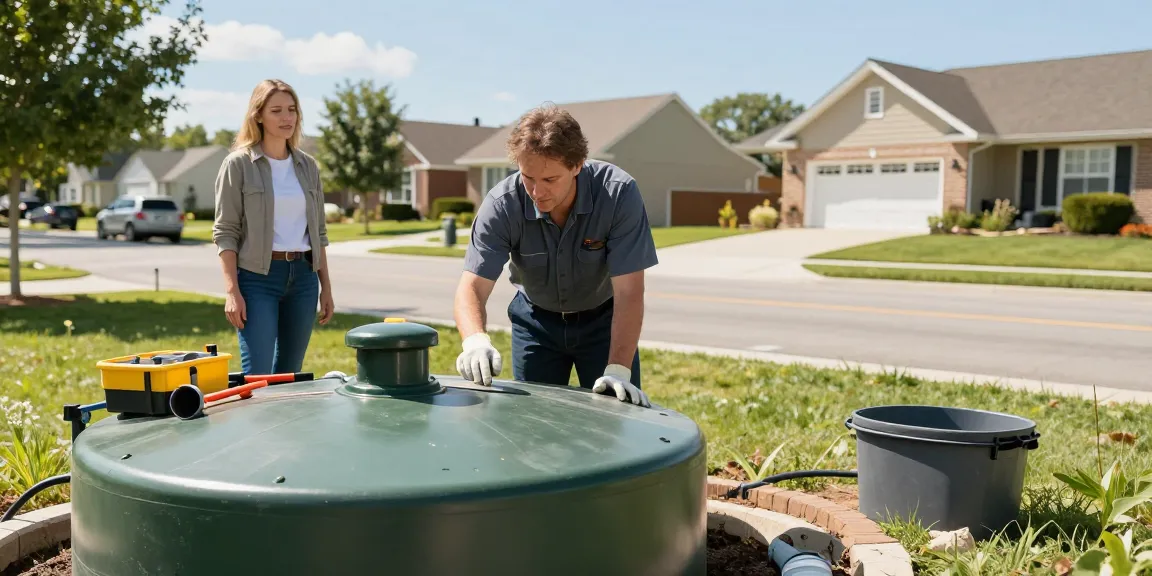
Understanding Septic Maintenance
As homeowners, we often overlook the importance of maintaining our septic systems. Proper septic maintenance not only ensures the longevity of the system but also protects the health of our families and the environment. In this comprehensive guide, we'll delve into what septic maintenance entails, why it's crucial, and how to identify if your septic system needs professional attention. By understanding these factors, you can significantly improve the efficiency of your septic system and prevent costly repairs in the future.
What Is Septic Maintenance?
Septic maintenance refers to the various practices and procedures involved in keeping a septic system functioning optimally. This includes regular pumping of the septic tank, inspection of the system components, managing wastewater flow, and taking care of the drain field area. A well-maintained septic system can last 20 years or more, but neglect can lead to contamination of groundwater, foul odors, and costly repairs.
Importance of Regular Maintenance
Regular maintenance of your septic system is essential to avoid potential disasters. According to the U.S. Environmental Protection Agency (EPA), a neglected septic system can backup and cause sewage to overflow into your home or yard. Preventive measures, such as scheduling pumping and inspections, can save homeowners thousands of dollars in repairs. Furthermore, proper maintenance helps in preserving the local environment by ensuring that wastewater is treated and disposed of correctly.
Signs Your System Needs Attention
- Slow Drains: If sinks, toilets, or showers are draining slowly, it may signal a clog or full tank.
- Foul Odors: Unpleasant smells near or around the septic area can indicate a problem with the system.
- Pooling Water: Standing water in your yard or near the drain field can suggest that the system is failing.
- Backups: Frequent backups in toilets or drains are a clear sign that maintenance is needed.
Choosing the Right Septic Service Provider
Selecting a competent septic service provider is crucial to ensuring your system receives the care it needs. Here are factors to consider:
Questions to Ask Potential Contractors
- Are you licensed and insured?
- What services do you offer, and can you provide a detailed estimate?
- How long have you been in business, and can you provide references?
- Do you offer warranties on your services?
Certification and Licensing Requirements
In many states, septic service providers must meet specific certification and licensing requirements. Understand your state’s regulations and verify that the contractor is compliant. This will help avoid potential issues and ensure that the work done is of high quality.
Evaluating Customer Reviews and References
Before hiring a contractor, check customer reviews online. Websites like Yelp and Angie's List can provide insight into a company’s reputation. Additionally, ask for references directly from the contractor, and contact them to inquire about their experiences.
Septic Maintenance Pricing Guide
Understanding the costs associated with septic maintenance can help you budget effectively. Below is a brief overview of expected pricing:
Typical Costs for Pumping and Inspections
The average cost for septic tank pumping ranges from $200 to $500, depending on the size of your tank and your location. Inspections can range from $100 to $300, with comprehensive inspections costing more if they include camera surveys or detailed assessments of the leach field.
Factors Influencing Pricing in Your Area
Factors that may affect pricing include:
- Location: Service providers in urban areas may charge more due to higher operational costs.
- Tank Size: Larger tanks require more labor and time to pump and inspect.
- Accessibility: If your septic tank is difficult to access, additional fees may apply.
Affordable Maintenance Packages Available
Many septic service providers offer maintenance packages that can help reduce costs over time. Consider discussing options for scheduling regular pumping and inspections to maintain the health of your system while saving on expenses.
DIY vs Professional Septic Services
Understanding when to handle your septic maintenance yourself versus when to call in the professionals is key to successful management.
When to DIY Your Septic Maintenance
Basic maintenance tasks that homeowners can perform include:
- Regularly checking the system’s surface for wetness or standing water.
- Maintaining your yard to prevent roots from invading the tank and drain field.
- Keeping detailed records of maintenance activities.
Benefits of Hiring Professional Services
While certain tasks can be performed by homeowners, professional septic service providers bring expertise and specialized equipment needed to perform comprehensive inspections and repairs. They can identify potential issues that might be overlooked by non-experts.
Emergency Situations Requiring Experts
If you experience severe backups, foul odors, or irregular drainage patterns, it’s crucial to call a professional immediately. These symptoms often indicate serious issues that can escalate quickly if not addressed.
Seasonal Maintenance Tips for Homeowners
To keep your septic system running smoothly throughout the year, consider these seasonal maintenance tips:
Spring Checklists for Your Septic System
- Inspect and pump the tank as needed.
- Check the drain field for signs of pooling or wet spots.
- Ensure that downspouts and surface water are directed away from the septic area.
Winter Precautions to Protect Your System
During the winter months, ensure that:
- The septic system is properly insulated from cold temperatures.
- Heat tape is applied to exposed pipes if necessary.
- Regular inspections are scheduled to prevent freezing conditions.
Community Compliance and Local Regulations
Many regions have specific regulations concerning septic systems. For more information, Miltonsepticpumping.com offers valuable insights. Be sure to familiarize yourself with local laws to ensure compliance and avoid potential fines. This includes knowing when permits are required for repairs or installations.
What are the signs that my septic tank needs pumping?How often should I schedule inspections for my septic system?Can I use chemicals for septic tank maintenance?