Understanding the Home The Spruce Approach to Interior Design
Creating a home that resonates with both comfort and style requires a thoughtful approach to interior design, one that reflects individual taste while ensuring functionality. At Home The Spruce, we believe an inviting space combines aesthetics with practicality. From selecting the right color palette to arranging furniture, our insights help you create a living environment tailored to your lifestyle. Understanding what makes a home cozy and inviting is key to developing a space where you can thrive.
What Makes a Home Cozy and Inviting?
A cozy home is often characterized by warmth, comfort, and personal touches. Here are several aspects to consider:
- Lighting: Soft, layered lighting can enhance the ambiance of any room. Consider using lamps, dimmers, and natural light to create a welcoming atmosphere.
- Textures: Mixing various textures—like soft throws, plush rugs, and wooden surfaces—can add depth and comfort to your space.
- Personal Elements: Including photographs, art, or memorabilia makes your space uniquely yours, inviting guests to connect more deeply with your home.
Key Elements of Modern Home Decor
Modern home décor emphasizes simplicity, clean lines, and functional design. Key elements include:
- Minimalism: A minimalist approach helps to reduce clutter and focus on essential pieces that bring joy and functionality.
- Neutral Colors: A neutral color palette serves as a versatile backdrop, allowing for easy updates and changes in décor through accessories.
- Smart Technology: Integrating smart technology enhances comfort and efficiency, making modern homes more user-friendly.
How Home The Spruce Defines Style and Functionality
At Home The Spruce, we advocate for a harmonious balance between style and functionality. This means that every element of design—be it furniture, décor, or layout—should serve a purpose while contributing to the aesthetic of the space. Our mission is to provide insights and inspiration across various styles to suit different tastes and personalities, ensuring that your home reflects your unique identity.
Choosing the Right Furniture for Your Space
Selecting the right furniture is crucial in creating a cohesive and functional living space. It’s important to prioritize both style and practicality to maximize your home’s potential.
How to Select Space-Saving Furniture for Small Homes
Living in a small home or apartment doesn’t mean you have to compromise on style. Here are effective strategies for choosing space-saving furniture:
- Multi-Functional Pieces: Look for sofas with storage capabilities or coffee tables that can transform into dining tables.
- Modular Furniture: Consider modular designs that can be rearranged or expanded as needed, maximizing space without sacrificing style.
- Vertical Solutions: Use vertical storage solutions like shelves or wall-mounted units to keep the floor space open and airy.
Essential Features to Look for in Sofa Tables
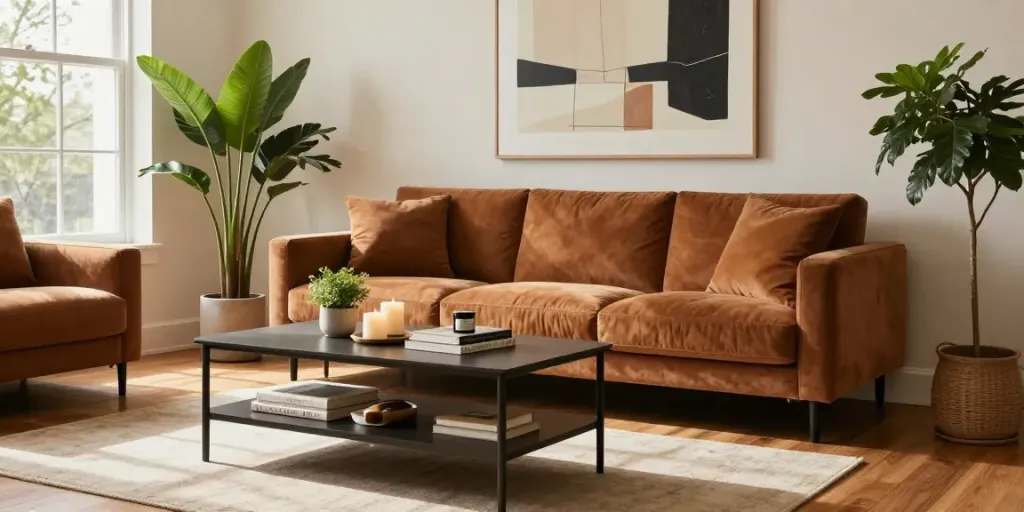
Sofa tables can enhance both style and functionality in your living area. When selecting a sofa table, consider the following:
- Size: Ensure the table fits comfortably behind your sofa without overwhelming the space.
- Storage Options: Look for tables that incorporate shelves or drawers for added functionality.
- Design Style: Choose a table that complements your existing furniture and overall decor theme, whether it's modern, traditional, or eclectic.
Popular Furniture Trends for 2026
As we move towards 2026, several furniture trends are emerging:
- Sustainable Materials: Eco-friendly furniture made from reclaimed wood and sustainable fabrics is becoming increasingly popular.
- Curved Lines: Furniture with soft, rounded shapes is making a comeback, providing a break from the rigid lines of modern design.
- Bold Colors: Expect to see vibrant hues taking center stage, either as statement pieces or as accents throughout the home.
Incorporating Color and Texture in Home Design
Color and texture play pivotal roles in setting the mood of any room. Understanding how to effectively use these elements can greatly enhance your home’s design.
Understanding Color Palettes for a Harmonious Space
A cohesive color palette is essential for creating harmony in your home. Here are some tips for selecting the right colors:
- Choose a Base Color: Start with a neutral base and build around it with bolder accents.
- Color Wheel Techniques: Utilize complementary and analogous colors to create balance and visual interest.
- Seasonal Adjustments: Don’t hesitate to refresh your colors seasonally—lighter tones in spring and summer, and darker hues in fall and winter can provide a fresh vibe.
Textures That Enhance Comfort and Style
Incorporating various textures into your design can foster warmth and tactile appeal:
- Rugs and Throws: Layer rugs and throws to create an inviting feel and add warmth underfoot.
- Textured Wall Treatments: Consider using textured paint, wallpaper, or wood panels to add dimension to walls.
- Natural Elements: Introduce elements such as plants, wood, and stone for a connection to nature and added interest.
How to Use Color Theory Effectively
Understanding color theory can greatly improve your home’s aesthetic. Here are practical applications:
- Combinations: Use triadic color schemes to inject vibrancy while still maintaining balance.
- Emotional Response: Choose colors based on the mood you wish to evoke—soft blues for calmness or bright yellows for energy.
- Accent Walls: Use bolder colors on an accent wall to create a focal point without overwhelming the room.
DIY Home Improvement Tips from Home The Spruce
Engaging in DIY projects can be a rewarding way to personalize your space while adding value to your home. Here are some tips to consider:
Simple Renovations That Add Value to Your Home
Not all renovations require a large budget or extensive work. Here are some impactful renovations that can increase your home’s value:
- Kitchen Updates: Small changes like new cabinet hardware, a fresh coat of paint, or modern backsplash can rejuvenate a kitchen without a full remodel.
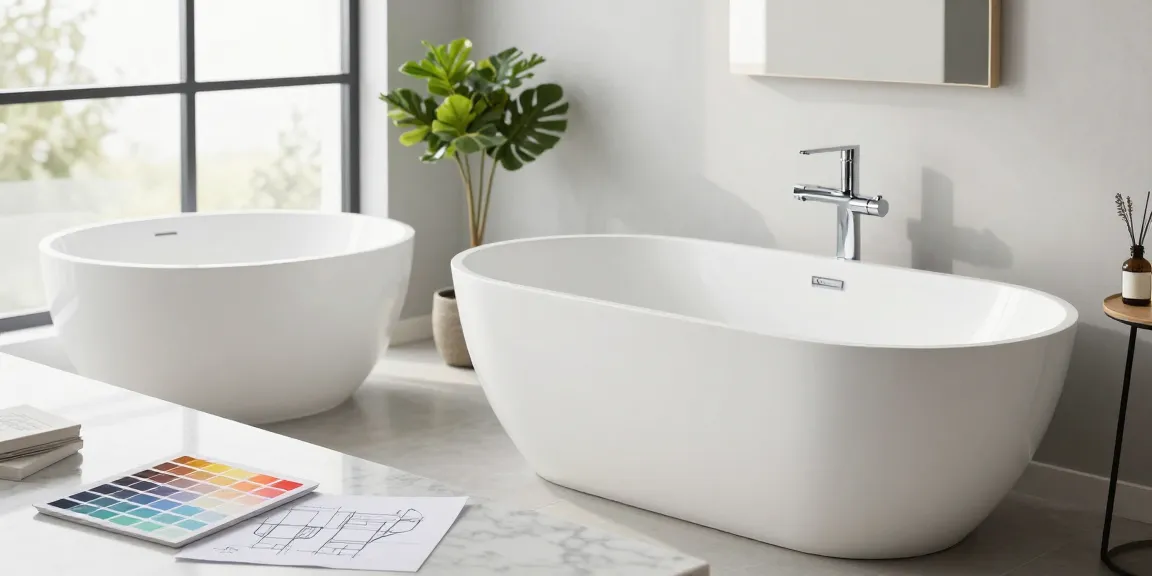
- Bathroom Improvements: Upgrading fixtures, enhancing lighting, and ensuring efficient plumbing can significantly boost appeal.
- Curb Appeal: Invest in landscaping, fresh paint, and updated outdoor lighting to make a strong first impression.
Creative DIY Projects for a Personal Touch
Adding your personal touch through DIY projects can give your home character:
- Custom Art: Create your own wall art using canvases, textiles, or mixed media to reflect your personality.
- Furniture Makeovers: Revitalize old furniture with paint, upholstery, or new hardware for a unique, updated look.
- Garden Features: Construct your own planter boxes or garden benches to enhance outdoor areas.
Budget-Friendly Ideas for Luxurious Finishes
Create a luxe look on a budget with these tips:
- Smart Paint Choices: Opt for high-quality paint and finish for a polished appearance without the designer price tag.
- Accessorizing Wisely: Invest in statement accessories like a bold mirror or unique lighting fixture to elevate your space's overall design.
- Layering Textiles: Mixing high-end fabrics with more affordable options can create a rich, luxurious feel.
Real-Life Applications and Common Missteps in Home Design
Learning from real-life applications can provide invaluable insights into effective home design, allowing for better decision-making in your projects.
Case Studies: Successful Home Transformations
Analyzing successful transformations can inspire your own projects. For instance, a small apartment was revamped by removing a non-load bearing wall, creating an open concept that invited more light and made the space feel larger. Simple updates like new tiles and a fresh coat of paint breathed new life into an outdated kitchen.
Common Misconceptions in Interior Decorating
Several misconceptions often hinder good design. For example, many believe that a beautiful space requires expensive furniture, while in reality, creativity and thoughtful choices can yield stunning outcomes on any budget.
Expert Insights for Future Homeowners in 2026
As we look ahead, it’s essential for future homeowners to embrace flexibility in their design choices. Trends evolve, and the ability to adapt your space to changing tastes and needs will lead to a more satisfying living environment.